Dada Told Me I Could: A Designer's Take on Modern Family Embroidery
As someone who spends hours hunched over an embroidery hoop, testing files for clients and my own small shop, I've learned to be skeptical of "cute" quotes. Too often, a design looks charming on a screen but turns into a thready mess once the machine starts humming. However, when I first pulled up the Dada Told Me I Could digital design, something about its clean lines and playful energy caught my eye. It isn't just another generic phrase; it captures a specific, heartwarming dynamic between father and child that feels authentic rather than manufactured. For embroidery designers and craft business owners looking to expand their catalog with meaningful, sellable items, this file offers a compelling mix of modern minimalism and emotional resonance.
The Visual Personality: Minimalist Yet Expressive
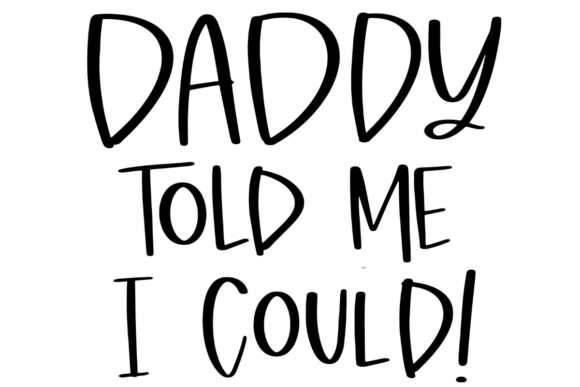
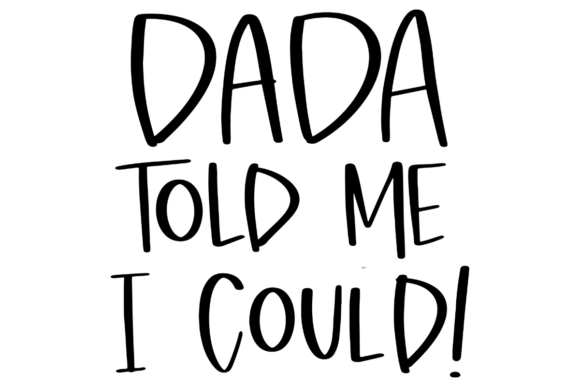
The first thing you notice about Dada Told Me I Could is its typographic confidence. In a market saturated with overly swirly scripts or rigid block letters, this design strikes a balance with a hand-drawn font style that feels approachable and warm. The layout suggests a modern aesthetic that fits perfectly into current nursery decor trends without feeling dated in six months. From a technical standpoint, the visual personality here is key. It doesn't rely on heavy fill stitches or complex shading to make an impact. Instead, it leans on the strength of the letterforms themselves.
For those of us creating printable mockups or digital product previews, this simplicity is a goldmine. It translates well across different backgrounds, whether you are placing it on a crisp white tote bag or a heather grey sweatshirt. The design avoids unnecessary flourishes that often cause thread breaks or bird-nesting, suggesting that the creator understood the limitations of home embroidery machines. This kind of foresight is what separates a hobbyist sketch from a professional machine embroidery design ready for commercial use.
Real-World Application: The Custom Sweatshirt Scenario
To truly evaluate a file, I have to imagine it in a real production scenario. Let's say a customer commissions a personalized gift for Father's Day or a birthday. They want something wearable but not too formal. I picture stitching Dada Told Me I Could onto a high-quality, mid-weight cotton blend sweatshirt. This is a classic custom apparel project where the stakes are moderate; the fabric is forgiving, but the placement needs to be precise.
In this context, the design shines. Because it lacks dense, solid blocks of color, it sits lightly on the fabric, maintaining the drape and comfort of the garment. If I were running this as a small shop product, I could easily offer it in various thread colors to match the client's brand palette or personal preference. Imagine a soft sage green thread on a cream hoodie, or a classic navy on a white tee. The versatility allows an Etsy seller to create multiple listings from a single digital embroidery file, maximizing the return on investment for the asset.
Beyond apparel, this design is a natural fit for home goods. A linen tea towel or a canvas tote bag featuring this quote makes for an excellent handmade product that appeals to new dads. The minimalist style ensures it doesn't look like a cheap souvenir; instead, it feels like a boutique item you'd find in a high-end children's store. For holiday embroidery projects, such as Christmas stockings or baby shower gifts, the sentiment is timeless enough to be cherished long after the season passes.
Technical Considerations and Fabric Compatibility
While the design is strong, no embroidery file is universally perfect for every situation. As a reviewer, I need to point out where caution is necessary. The playful, hand-drawn nature of the font likely involves some varying stitch density. On textured fabrics like thick waffle knits or looped towels, fine details can sometimes get lost. If you are planning to stitch this on a rougher fabric texture, I strongly recommend doing a test run on scrap material first. You might need to adjust your stabilizer choice—perhaps opting for a cut-away stabilizer instead of tear-away to ensure the letters remain crisp and don't pucker over time.
Another consideration is the hoop size. While the design appears compact, always verify the dimensions provided in the file package before committing to a small project like a baby onesie or a cap. Curved surfaces, such as baseball caps, can distort text if the design isn't digitized specifically for that curvature. If this is a standard flat file, proceed with care on hats; the "Dada" text might need to be arched manually or placed on a flat panel to avoid distortion. Similarly, on stretchy fabrics like jersey knits, proper stabilization is non-negotiable to prevent the satin stitch or running stitch elements from gaping.
Lighting and contrast also play a huge role in the final finished product. Since the design relies on typography, ensure there is sufficient contrast between your thread colors and the base fabric. A light grey thread on a white shirt might look sophisticated in a photo, but in person, the message could become illegible. Always view your design in black and white mockups during the planning phase to check for readability.
Enhancing Brand Value and Customer Trust
Using a well-executed design like Dada Told Me I Could does more than just fill space on a garment; it elevates the perceived value of your work. Customers can tell the difference between a pixelated, poorly stitched graphic and a clean, professional embroidery job. When you deliver a personalized gift that features clear, crisp lettering with no loose threads, you build trust. That trust translates into repeat business and positive reviews, which are the lifeblood of any craft business.
Furthermore, consistency is key for branding. If your shop specializes in modern, minimalist family goods, this design fits seamlessly into that narrative. It reinforces your brand identity as a curator of quality design assets and thoughtful products. Whether you are selling physical embroidered patches, tote bag designs, or even licensing the digital file for others to use, the professional presentation of the source file matters. It signals to buyers that you care about the details, from the initial download to the final stitch.
Final Verdict for Designers and Makers
In the world of Crafts and Graphics, finding a design that balances emotional appeal with technical feasibility is rare. Dada Told Me I Could manages to do both. It offers a sweet, family-centric message wrapped in a contemporary visual package that works across various mediums, from baby embroidery to adult commercial embroidery projects.
Before adding this to your library, remember to check the specific license terms regarding commercial embroidery usage. Some designers allow unlimited sales of finished physical goods, while others have restrictions on the number of items or prohibit selling the digital file itself. Always confirm these details to protect your business. Additionally, verify the included formats to ensure compatibility with your specific machine brand.
Ultimately, this design is a solid addition to any maker's collection. It invites creativity, encourages high-quality execution, and resonates with a universal family sentiment. Whether you are a seasoned apparel decorator or a hobbyist making gifts for loved ones, Dada Told Me I Could provides a reliable foundation for creating something truly special. Just remember to respect the materials, choose your stabilizer wisely, and let the charm of the design speak for itself.