Hexes for My Exes: A Designer's Take on Witchy Embroidery
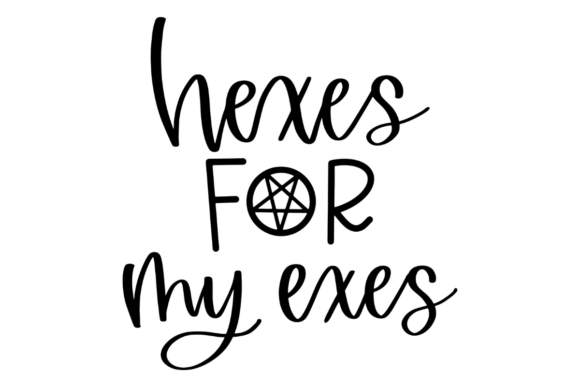
As someone who spends more time staring at stitch maps than most people spend looking at their own families, I approach new digital embroidery file releases with a healthy mix of excitement and skepticism. When I first pulled up the preview for Hexes for My Exes, my immediate reaction wasn't just about the sassy quote; it was about the potential application in a real-world craft business. This design sits squarely in the Crafts category under Graphics, but for us machine operators, it represents a specific challenge: balancing playful hand-lettering with bold geometric accents like the pentagram without losing clarity in the final finished product.
The Visual Personality and First Impressions
The mood of this design is undeniably spirited. It taps into that modern "witchy" aesthetic that has moved far beyond Halloween decorations and into everyday lifestyle branding. The combination of a flowing script with a sharp, structural pentagram creates a nice visual tension. In terms of layout, the design feels balanced, but that balance relies heavily on how your machine interprets the transition between the delicate tails of the letters and the solid mass of the star.
For an Etsy seller or boutique owner, the visual personality here is gold. It speaks to a demographic that values humor, independence, and a touch of mysticism. However, from a technical standpoint, hand-lettered scripts in embroidery can be tricky. If the stitch density is too low, those thin connecting lines in the cursive might vanish into the fabric weave. If it's too high, you risk puckering, especially on stretchy materials. My first instinct upon seeing the artwork was to imagine how it would translate into actual thread, specifically worrying about the small details within the pentagram and the legibility of the smaller ascenders and descenders in the text.
Real-World Application: The Tote Bag Test
To truly evaluate Hexes for My Exes, I mentally ran through a common scenario: creating a custom tote bag design for a fall market stall. Tote bags are often made of canvas or heavy cotton twill, which provides a stable base for embroidery. This design would shine here. The boldness of the pentagram acts as an anchor, while the script adds a human, handmade touch that machines sometimes struggle to replicate convincingly.
Imagine stitching this onto a natural-colored canvas tote using black or deep purple thread. The contrast would be striking. For a small shop product, this kind of item moves quickly because it's practical yet expressive. It's not just a decoration; it's a statement piece. Similarly, this design would work exceptionally well as an embroidered patch. If you digitize it or purchase it as an applique design (depending on the specific file version available), mounting it on a denim jacket or a backpack could elevate a basic garment into a high-value custom piece. The durability of a patch also protects the intricate lettering from the friction of daily wear better than direct-to-garment stitching might on soft fabrics.
Apparel and Textile Considerations
Moving beyond bags, let's talk about custom apparel. A sweatshirt embroidery project using this design feels timely. The cozy texture of fleece pairs well with the "cozy witch" vibe. However, this is where caution is required. Sweatshirts are thick, but they are also fuzzy. If the machine embroidery design relies on very fine running stitch outlines for the lettering, the nap of the fleece could swallow the details. In this case, opting for a slightly bolder satin stitch column width or ensuring a robust fill stitch for the pentagram is crucial.
I would also consider this for holiday embroidery gifts, particularly for friends going through breakups or celebrating independence. It makes for a memorable, personalized gift that feels curated rather than store-bought. However, when applying this to baby embroidery or delicate items, I would hesitate. The theme is mature, and the density required for the bold elements might be too stiff for sensitive skin or lightweight knits. Always match the design weight to the fabric weight.
Technical Challenges and Fabric Selection
No design is universal, and Hexes for My Exes has its limitations. Where should you use this carefully? First, avoid extremely textured fabrics like bouclé or heavy waffle weaves unless you are using a significant amount of topping. The irregular surface will distort the straight lines of the pentagram and make the script look jagged.
Secondly, be wary of hoop size constraints. If you are working with a small 4x4 hoop, you might have to scale the design down significantly. Shrinking a design with fine lettering often leads to thread breaks and lost detail. Before committing to a production run, check the minimum recommended size provided by the creator. If that information isn't explicit in the product description, assume you need at least a 5x7 area to maintain the integrity of the script.
Dark fabrics present another consideration. While the design likely looks great in light thread on dark backgrounds, ensure your thread colors provide enough contrast. A dark grey thread on a black hoodie might look sophisticated in a mockup but disappear in person. Also, consider the backing. For stretchy fabrics like t-shirts or caps, a cut-away stabilizer is non-negotiable to prevent the design from distorting over time, especially with a dense element like a pentagram pulling on the fabric grains.
Maximizing Value and Professionalism
The ultimate goal for any creative entrepreneur is to build trust. A sloppy embroidery job ruins brand reputation faster than anything else. Hexes for My Exes has the potential to enhance your brand consistency if executed well. It shows you understand current trends and can deliver high-quality design assets that resonate with your audience.
When listing this as a printable mockup or a physical item online, the visual appeal of the stitched sample matters immensely. Buyers engage with products that look crisp and professional. If the corners of the pentagram are rounded due to poor digitizing or cheap thread, the perceived value drops. Conversely, sharp points and smooth curves in the script signal quality. This attention to detail directly influences buyer engagement and justifies a higher price point for your handmade product.
Final Designer Notes and Best Practices
Before you start churning out inventory, here is my practical advice for working with this specific file:
- Test on Scrap First: Never skip the test stitch-out. Use the exact fabric and stabilizer combination you plan to sell.
- Check Contrast: View your test stitch in black and white. If the design loses definition without color, the contrast is insufficient.
- Inspect Density: Look at the back of your test hoop. Is there excessive thread buildup? If so, you may need to adjust tension or switch stabilizers.
- Verify Licensing: Since this is a digital graphic intended for crafts, confirm whether the license allows for unlimited commercial sales of finished physical goods or if there are restrictions on selling the digital file itself.
- Mockup Variety: Create previews on both light and dark backgrounds to show customers versatility.
In conclusion, Hexes for My Exes is a strong contender for your autumn and winter collections. It bridges the gap between novelty and style, offering a versatile option for commercial embroidery projects ranging from patches to premium apparel. Like any good tool in a designer's kit, its success depends entirely on the skill of the operator and the quality of the materials used. Treat it with respect, choose your fabrics wisely, and it will undoubtedly become a staple in your embroidery project lineup.