Review: She Believed She Could So She Did Motiva
As a designer who spends more time at the hoop than away from it, I approach every new digital embroidery file with a critical eye. It is not enough for a design to look pretty on a screen; it must survive the tension of the frame, the pull of the needle, and the scrutiny of a paying customer. Recently, I evaluated the She Believed She Could so She Did Motiva design to see if it holds up as a viable asset for serious craft business owners and hobbyists alike. This isn't just another motivational quote; it is a statement piece that requires careful handling to ensure the final finished product exudes professionalism.
First Impressions and Visual Personality
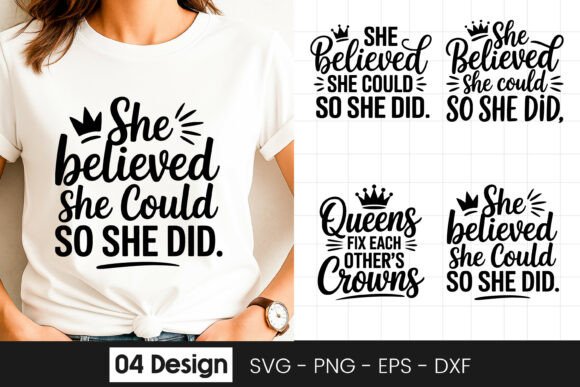
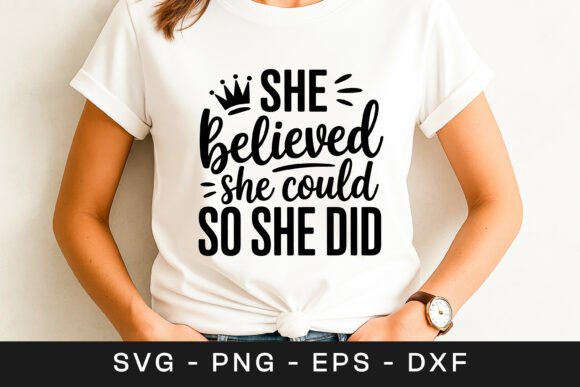
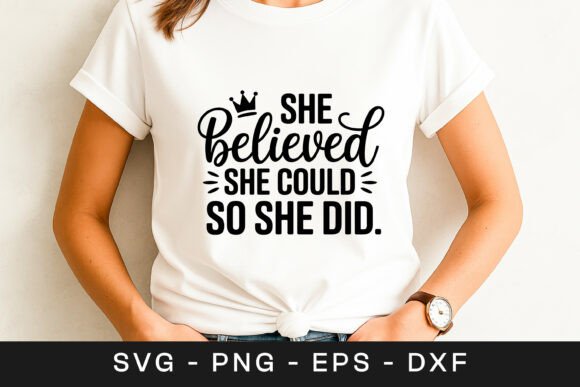
When I first loaded the Graphics file into my digitizing software to inspect the pathing, the immediate impression was one of bold confidence. The typography in She Believed She Could so She Did Motiva strikes a balance between modern script and sturdy sans-serif, creating a visual rhythm that feels both approachable and empowering. For an embroidery project, this duality is crucial. The layout suggests a design that wants to be the focal point, not a subtle background accent.
The mood created by this design is inherently uplifting, making it a natural fit for items meant to inspire. Whether you are creating a personalized gift for a graduate or stocking inventory for a boutique, the visual personality speaks to resilience. However, from a technical standpoint, the interplay between the different font weights demands attention. The thicker strokes likely utilize a fill stitch pattern, while the finer connecting lines or swashes may rely on a satin stitch or even a running stitch. This variation means the design has a dynamic texture that will catch the light differently depending on the thread colors chosen.
Real-World Application: The Tote Bag Test
To truly understand the value of this design, I simulated a real-life scenario: producing a run of custom tote bags for a local women's networking group. The She Believed She Could so She Did Motiva design was placed centrally on a heavy canvas bag. In this context, the design shines. The sturdy fabric of a tote bag design provides the necessary support for the stitch density, preventing the fabric from puckering around the heavier lettering.
Imagine a customer walking into your shop or browsing your Etsy seller profile. They see this phrase stitched onto a high-quality sweatshirt or a structured cap. The reaction is rarely just about the words; it is about how those words feel under the finger. If the stitching is crisp and the edges are clean, the perceived value of the handmade product skyrockets. This specific design works exceptionally well for custom apparel because the message aligns perfectly with the casual yet purposeful vibe of everyday wear. It transforms a basic garment into a conversation starter.
For small shop product lines, versatility is key. This design could easily transition from a sweatshirt embroidery project to a decorative pillow cover in a home office. The scalability of the vector source files allows you to adjust the size for different hoops, but one must remain cautious. Shrinking it too much for a tiny pocket on a baby onesie might compromise the legibility of the smaller details, whereas expanding it for a blanket border could expose gaps in the fill if the density isn't adjusted correctly.
Technical Considerations and Fabric Challenges
While the aesthetic appeal is strong, practical execution requires foresight. When working with She Believed She Could so She Did Motiva, the choice of stabilizer is non-negotiable. On stretchy fabrics like jersey knits used for t-shirts, a cut-away stabilizer is essential to maintain the shape of the letters over time. If you attempt this on a textured fabric, such as a waffle weave or a coarse linen, be prepared for the finer details of the script to get lost in the weave. In these cases, a simpler application or a larger scale is advisable.
Dark fabrics present another challenge. If you are stitching this onto a navy hoodie or a black cap, the contrast becomes your best friend. However, you must ensure that the underlay stitches are sufficient to prevent the dark fabric from peeking through the lighter thread colors. Conversely, on light fabrics, shadow effects from dense stitching can occur if the stitch density is too high. Always test the design on scrap fabric that matches your final material. This step is vital for avoiding costly mistakes in a commercial embroidery setting.
Curved surfaces, like the front panel of a baseball cap, require extra care. The arch of the text in She Believed She Could so She Did Motiva might need adjustment to sit flat against the curve without distortion. If the original file is rigid, you may need to manipulate the digits slightly to accommodate the hat's structure. Additionally, tiny lettering within the design should be inspected closely; if any characters are too small, they may benefit from being converted to a satin column rather than a fill to ensure clarity.
Enhancing Brand Value and Customer Trust
Ultimately, the success of this design lies in how it elevates your brand. Using a cohesive set of design assets like this helps build recognition. When customers see consistent quality in your embroidered patch work or your holiday embroidery collections, they trust your expertise. The She Believed She Could so She Did Motiva motif is particularly effective for building an emotional connection. It is not just decoration; it is a mantra.
For Etsy sellers and creative entrepreneurs, presenting this design effectively in printable mockup previews is essential. Show the design on various backgrounds—light, dark, and textured—to give buyers a realistic expectation of the finished product. Highlighting the tactile nature of the embroidery in your photos can significantly boost buyer engagement. Remember, people buy the feeling of the item as much as the item itself.
Practical Notes for the Professional Maker
Before committing to a full production run, keep these professional tips in mind:
- Test First: Always stitch a sample on scrap fabric identical to your final material to check for puckering or registration issues.
- Check Contrast: Ensure your thread colors provide enough contrast against the fabric, especially for the thinner parts of the script.
- Verify Licensing: Since this falls under Crafts and digital graphics, confirm the license terms before selling finished items or using it in commercial products.
- Inspect Details: Zoom in on the digital file to check for any overly complex corners that might cause thread breaks.
- Hoop Size: Confirm the design fits comfortably within your available hoop size without needing to re-hoop, which can lead to misalignment.
- Mockups: Create black and white versions of your mockups to ensure the design reads well even without color reliance.
In conclusion, She Believed She Could so She Did Motiva is a robust choice for designers looking to add meaningful content to their portfolio. It bridges the gap between inspirational art and functional machine embroidery design. With the right preparation regarding fabric choice, stabilization, and thread selection, this design can become a staple in your lineup of holiday embroidery gifts, baby embroidery keepsakes, or everyday custom apparel. It is a reminder that with the right tools and a bit of belief, we can create something truly remarkable.