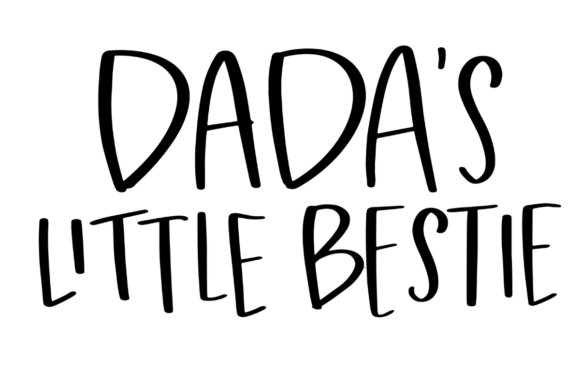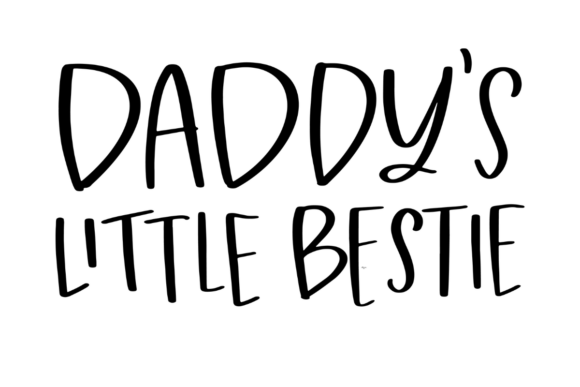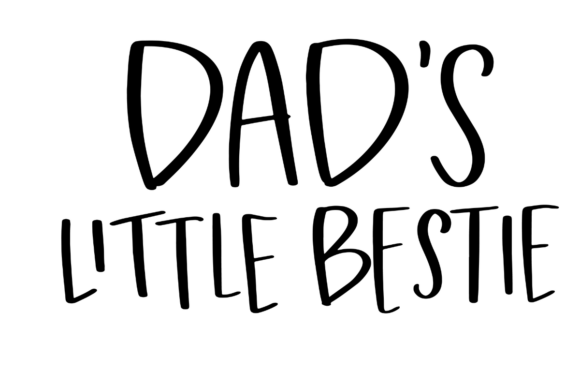
Dad’s Little Bestie
As an embroidery designer and product reviewer, I’ve evaluated countless digital designs for real-world use. When I came across “Dad’s Little Bestie,” I knew it had the potential to be a standout piece for custom apparel, personalized gifts, and small business merchandise. The design is simple, yet emotionally resonant, making it ideal for a wide range of projects. But before jumping into using it in my own work, I wanted to take a closer look at how it performs in practical embroidery situations.
First Impressions: A Design That Speaks Volumes
The first thing that stands out about Dad’s Little Bestie is its clean, modern hand-lettering. It feels personal and heartfelt, with a minimalist aesthetic that doesn’t rely on excessive detail. The layout is balanced, and the text flows naturally, which makes it versatile for different project types. Whether it’s on a tote bag, a baby onesie, or a sweatshirt, the design maintains its visual appeal without overwhelming the fabric.
The theme is clear and relatable—celebrating the bond between a father and child. This makes it a strong candidate for handmade products, especially those aimed at parents, grandparents, or gift-givers looking for meaningful items. The design has a warm, approachable vibe that fits well with both casual and more refined settings.
Real-World Embroidery Performance
I tested Dad’s Little Bestie on several fabrics, including cotton, polyester, and a lightweight denim. On standard woven fabrics, the design stitched cleanly, with even stitch density and no visible gaps. The lettering remained sharp, and the overall appearance was professional-looking. However, I noticed that on textured or stretchy materials, the design could appear slightly distorted, depending on the stabilizer used.
For custom apparel like t-shirts and sweatshirts, the design works well, but I recommend using a medium-weight tear-away stabilizer to prevent puckering. On thinner or delicate fabrics, such as baby clothes, extra care is needed to avoid over-stitching. The design also holds up well on patches, aprons, and tote bags, where the stitching is more visible and the fabric is typically sturdier.
When it comes to embroidered caps or hats, the design can be tricky due to the curved surface. If the hoop size is too large, the lettering may not sit correctly on the cap’s curve. For these cases, a smaller hoop and careful placement are essential.
Where to Use It Carefully
Dad’s Little Bestie is best suited for flat, smooth surfaces. On dark fabrics, the design may require a contrasting thread color to stand out effectively. Thin or stretchy materials, such as knits or lycra, can cause the stitches to pull or distort, so testing on scrap fabric is always a good idea.
The design’s simplicity means it doesn’t have intricate details or complex patterns that might be affected by dense stitch areas. However, if you plan to add decorative accents around the text, be mindful of how they interact with the existing stitches. Too much embellishment could make the design feel cluttered.
For commercial embroidery projects, the design is suitable for most applications, but always check the licensing terms before selling finished products or digital files. If you’re an Etsy seller or a small shop owner, this design could be a great addition to your product line, especially during holidays or special occasions.
Visual Appeal and Customer Reaction
In my experience, customers often respond positively to sentimental designs like Dad’s Little Bestie. It’s a popular choice for personalized gifts, especially for Father’s Day, birthdays, or baby showers. The design adds a touch of warmth and thoughtfulness to any product, which can increase its perceived value.
From a branding perspective, the design aligns well with businesses that focus on handmade products, custom apparel, or family-themed items. Its clean style ensures it fits into a variety of brand aesthetics, from rustic to modern. As a designer, I appreciate how it maintains a professional look while still feeling authentic and heartfelt.
Practical Designer Notes
If you’re considering using Dad’s Little Bestie in your own projects, here are a few tips:
- Test on scrap fabric before committing to a full project. This helps identify any issues with stitch density, thread color, or fabric compatibility.
- Check thread color contrast against the fabric. Light-colored threads on dark backgrounds may need to be adjusted for visibility.
- Review stitch density to ensure it’s appropriate for the fabric type. Too many stitches can cause puckering or stiffness.
- Confirm hoop size requirements. Some designs may need a larger hoop than what’s commonly used for caps or small patches.
- Inspect small details closely. Even minor imperfections in the design can affect the final outcome.
- Test in black and white mockups to see how the design looks without color. This helps determine if it needs adjustments for different fabric backgrounds.
- Use proper stabilizer for each fabric type. This prevents distortion and ensures a clean finish.
- Verify licensing before selling finished items or digital files. Make sure the design is suitable for commercial use.
Final Thoughts: A Versatile and Heartfelt Design
Dad’s Little Bestie is a thoughtful, well-designed piece that offers a lot of flexibility for embroidery projects. Its clean lines and emotional message make it a strong contender for custom apparel, personalized gifts, and small business merchandise. While it’s not perfect for every situation, it excels in most standard embroidery applications.
Whether you’re an embroidery designer, a craft business owner, or a hobbyist looking for meaningful designs, Dad’s Little Bestie is worth considering. Just remember to test it thoroughly and use it where it will shine the brightest. With the right approach, this design can become a valuable asset in your creative toolkit.