Autumn Echoes Maple Leaf Art: A Designer's Review
As we move into the cooler months, the demand for warm, rustic aesthetics in handmade products skyrockets. I recently had the chance to evaluate Autumn Echoes Maple Leaf Art with a critical eye, specifically looking at how it translates from a digital Graphics file into a tangible embroidery project. For those of us running a craft business or selling on Etsy, the difference between a design that looks good on a screen and one that stitches out beautifully on fabric can make or break a product line. This review breaks down the practical application of this design for real-world use.
First Impressions and Visual Personality
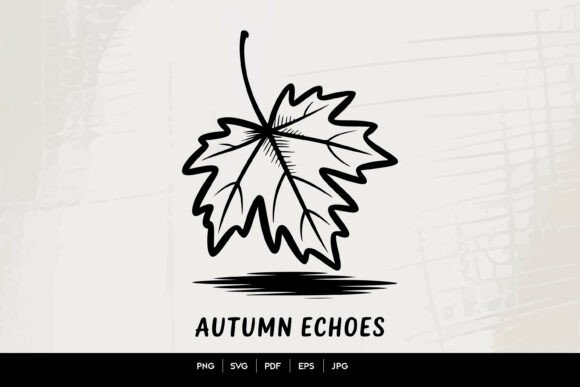
When I first opened the files included in the Autumn Echoes Maple Leaf Art package, the immediate impression was one of organic elegance. The silhouette captures the quintessential shape of a maple leaf without feeling overly cartoonish or rigid. There is a natural flow to the veins and edges that suggests movement, almost as if the leaf has just drifted down from a tree. This visual personality is crucial because it dictates where the design belongs. It feels right at home in a woodland or botanical theme, perfect for customers seeking that cozy harvest vibe during October and November.
The layout is versatile. Because the design relies on strong shapes rather than intricate, microscopic details, it holds its own even when scaled down. However, as a designer, I always look for how the lines will translate into thread. Will the sharp points of the leaf become blunt blobs of thread? Will the internal vein details get lost in a dense fill stitch? These are the questions I ask before committing to a client order.
Real-World Application: The Autumn Tote Bag Scenario
To truly test the viability of Autumn Echoes Maple Leaf Art, I envisioned a specific scenario: creating a limited run of canvas tote bag designs for a local farmer's market. This is a common request for Etsy sellers and boutique owners. The goal was to create a personalized gift option where customers could choose their thread colors to match their fall wardrobe.
In this context, the design shines. The bold outline of the maple leaf provides a fantastic canvas for experimenting with thread colors. While traditional oranges and reds are obvious choices, I found that stitching this in deep forest greens or even a muted gold created a sophisticated look that appeals to adult buyers, not just those looking for typical Thanksgiving decor. When applied to a sturdy canvas tote, the structure of the fabric supports the weight of the stitching, ensuring the finished product lays flat and professional.
Furthermore, this design works exceptionally well as an embroidered patch. If you digitize the SVG or EPS file into a machine embroidery design with a merrowed edge, it becomes a high-value add-on for jackets or backpacks. The simplicity of the shape ensures that the patch remains durable through washes, maintaining its integrity better than designs with excessive fine detailing.
Fabric Considerations and Stitching Challenges
While Autumn Echoes Maple Leaf Art is robust, it is not without its challenges depending on the substrate. If you are planning sweatshirt embroidery, you must account for the fabric texture. Fleece and heavy cotton blends can cause small details to sink in. For this design, I recommend using a cut-away stabilizer rather than tear-away, especially if the leaf includes any satin stitch borders. This prevents the design from puckering over time, which is vital for custom apparel that needs to last.
Caution is also advised when working with stretchy fabrics or curved surfaces like caps. The pointed tips of the maple leaf are susceptible to distortion if the hoop size is too large for the area or if the fabric tension isn't perfect. On a cap, the curvature can compress the design vertically. I suggest running a test stitch-out on a scrap piece of the actual material you intend to use. Check the stitch density; if the digital file is intended for print but you are converting it for embroidery, you may need to manually adjust the density to prevent thread buildup, which can make the leaf feel stiff and uncomfortable against the skin.
For baby embroidery projects, such as a onesie or a nursery blanket, ensure that the back of the stitching is clean. Babies have sensitive skin, and dense stitching on thin fabric can be irritating. If the design feels too heavy, consider simplifying the fill or using a lighter weight thread to maintain the visual appeal without compromising comfort.
Enhancing Brand Value and Customer Trust
In the world of commercial embroidery, consistency is key to building brand trust. Autumn Echoes Maple Leaf Art offers a level of professionalism that elevates a small shop product from homemade to hand-crafted. When a customer receives an item with crisp, well-defined stitching, it reinforces the perceived value of your work. This design avoids the "clipart" look that often plagues seasonal items, giving your holiday embroidery collections a more curated, boutique feel.
Using this asset in your printable mockup previews can also boost buyer engagement. Because the shape is so recognizable and aesthetically pleasing, it photographs well. Whether you are showcasing a pillow cover or a kitchen towel, the botanical nature of the leaf adds a touch of nature that resonates with consumers looking to bring the outdoors inside. It serves as a strong visual anchor in your marketing materials, helping potential buyers visualize the personalized product in their own homes.
Practical Notes for Designers and Makers
Before launching this design in your store or using it for a client, keep these practical steps in mind:
- Test on Scrap Fabric: Always stitch a sample on the exact fabric type you plan to sell. What looks good on cotton might behave differently on linen or polyester blends.
- Check Contrast: Ensure your thread color contrasts sufficiently with the fabric. A dark red leaf on a navy blue sweatshirt might look muddy in low light.
- Review Licensing: The package includes PNG, SVG, EPS, PDF, and JPG files. Verify the specific license terms regarding commercial embroidery versus digital resale. Typically, you can sell the physical stitched item, but reselling the digital embroidery file itself may be restricted.
- Digitizing Check: If you are converting the vector files (SVG/EPS) into a stitch file yourself, pay close attention to the underlay. Proper underlay is essential for covering the fabric grain and ensuring the leaf edges remain sharp.
- Wash Testing: Wash and dry your test sample multiple times to ensure the design does not fray or lose its shape, particularly if selling items meant for frequent use like aprons or tea towels.
Ultimately, Autumn Echoes Maple Leaf Art is a versatile asset for the creative entrepreneur. It bridges the gap between seasonal trends and timeless botanical beauty. With careful attention to fabric choice and stitching technique, it can become a staple in your autumn collection, delighting customers with its rustic charm and high-quality presentation.